In the world of SEO, backlinks remain one of the most critical factors for driving organic traffic and ranking improvements. But what happens when you wake up one day and notice a valuable Tier 1 backlink has vanished? Panic is natural, but the solution lies in understanding link building fundamentals, the tiered link strategy, and how to monitor, reclaim, and protect your backlinks.
In this post, we'll break down exactly how to handle lost backlinks, why Tier 1 opportunities matter, and how tools like Google, Google Keyword Planner, and platforms from companies like Dibz, Fantom Click (fantom.click), and Suprmind (suprmind.ai) link outreach can help you plan your next moves.
Why Backlinks—and Specifically Tier 1 Links—Matter in SEO
We can’t start without reinforcing the basics:

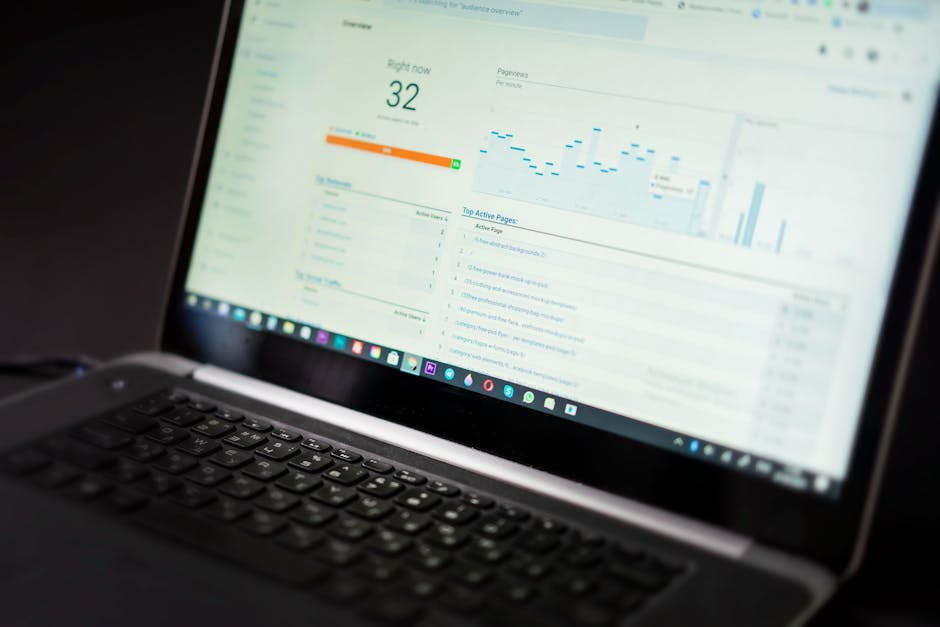
- Backlinks are votes of confidence: When a reputable site links to your page, it signals to Google that your content is valuable and trustworthy. Tier 1 backlinks are your strongest assets: These are the direct high-authority links pointing to your money or conversion pages. Authority flows via tiered link building: Backlinks pointing to Tier 1 links (Tier 2 & 3) pass link juice and help boost Tier 1’s power.
So when a Tier 1 backlink disappears, your link profile loses a high-quality signal, which can affect rankings and traffic.
Tiered Link Building Structure and Why Authority Flow Is Critical
Before jumping into recovery, remember the tiered approach:
Tier 1: High-quality, authoritative backlinks directly pointing to your target pages. Tier 2: Links pointing to your Tier 1 backlinks, enhancing their power. Tier 3: Generally lower-quality, bulk backlinks enhancing Tier 2.This structure ensures your Tier 1 links gain authority without getting spammed. If your Tier 1 link disappears, the whole chain’s integrity is at risk, which makes recovery essential.
Step 1: Confirm the Backlink Has Actually Disappeared
Links sometimes look lost due to temporary glitches or crawling issues. First, you want to use tools to monitor backlink changes like:
- Google Search Console: Check the “Links” report to see if Google still detects the link. Dibz: An intuitive backlink monitoring tool that helps identify lost or gained links promptly. Other backlink checkers: Tools like Ahrefs, Majestic, or SEMrush to cross-verify the STATUS of that backlink.
If multiple tools confirm the backlink is gone from the source site, proceed to recovery.
Step 2: Identify Why the Link Disappeared
Knowing why the link vanished gives you clues for recovery:
- Page removal or URL changes: The source page might have been deleted or restructured. Site-wide link removal: The entire site might have dropped your link. Manual or algorithmic penalties: The source site could have removed the link due to quality cleanses. Technical errors: Robots.txt blocks, tag changes, or nofollow attributes may have been added.
Tools from companies like Suprmind use AI-powered analysis to help diagnose backlink changes quickly, saving hours of manual digging.
Step 3: Assess If Reclaiming the Link Is Worth It
Not every lost backlink is worth chasing. Use this simple table to decide:
Criteria Evaluate Action Domain Authority Is the source site highly authoritative and relevant? If yes, prioritise reclaiming. Traffic Value Did the link send referral traffic or contribute to ranking? If yes, attempt recovery. Link Context Is the link placed in a relevant context or editorially given? If yes, it’s more valuable. Source Site Health Is the source site still active and reputable? If the site is penalized or dead, move on.Don’t waste time on irrelevant or low-value links — that’s a spammy tactic I always cringe at.
Step 4: Plan Your Next Move: How to Reclaim Backlinks
Once you decide to reclaim the link, the approach should be thoughtful and respectful:
Reach out to the webmaster or editor: Send a polite email explaining who you are and referencing the broken or lost link. Offer updated content or reasons why relinking benefits their readers. Provide updated content or a better resource: Sometimes links disappear because your content became outdated—freshen it up. Use tools like Fantom Click for outreach automation: Fantom Click simplifies customized outreach but avoid spammy bulk blasts. Personalization wins here. Consider an alternative link location: If the original page is gone, suggest another relevant page on your site.Reclaiming backlinks requires persistence and professionalism—never threaten or automate spam emails.
Step 5: Use Data-Driven Campaign Planning To Prevent Future Losses
Lost backlinks can hurt your link profile health, but smart planning will reduce surprises:
- Set goals before building links: Which pages do you want to power? What are the key conversion keywords? Use Google Keyword Planner to pick keywords aligned with realistic search volumes and business goals. Map link types to specific pages: Not all backlinks are equal or suitable for each page. Keep a simple editorial calendar to track when and where links are placed. Invest in prospecting relevant high-quality Tier 1 opportunities: Use platforms like Dibz to discover authoritative sites in your niche. Always prefer relevance over raw authority. Continuously monitor backlink health: Schedule regular checks to spot sudden losses and troubleshoot before rankings slip.
Common Pitfalls to Avoid When Your Tier 1 Link Disappears
- Ignoring the problem: Link losses don’t just fix themselves. Use backlink monitoring tools weekly. Chasing purely Domain Authority (DA): A random high DA link with zero topical relevance adds less value and is often a waste of time. Sudden link spikes from spammy Tier 3 blasts: Desperate attempts to replace lost Tier 1 links with low-quality spam harm your profile more than help. Not reviewing Google Search Console: Your first stop should always be there. Missing this step is an SEO rookie mistake.
Final Thoughts
Backlink losses, especially Tier 1, are frustrating but not catastrophic when handled well. Monitor backlink changes regularly, use tools like Dibz and Suprmind to diagnose issues, and approach link reclamation with a clear plan. Campaign planning—aligning your goals, pages, and keywords—is crucial so you know where to focus your efforts next. Platforms like Fantom Click can scale outreach efforts effectively if and only if you avoid spam tactics.
Remember, backlinks are a long-term game. Sometimes rebuilding or replacing lost links requires patience and strategy. But with https://highstylife.com/how-do-i-tell-if-a-backlink-is-relevant-or-just-high-da-fluff/ a solid foundation and smart tools, your link profile will come back stronger—and more resilient—after a Tier 1 link disappearance.